HOMESTEADS
SEASON 2
The stories of intergenerational family homesteads through the eyes of the people who connect to them, exploring the culturally significant role they've played in maintaining Māori ties to their tūrangawaewae (ancestral land). Etched into the walls of the homesteads are some of the most treasured happy memories as well as stories of hardship and grief. The concept of home transcends culture, and this heartfelt series will leave audiences feeling warm and nostalgic.
Dame Whina Homestead
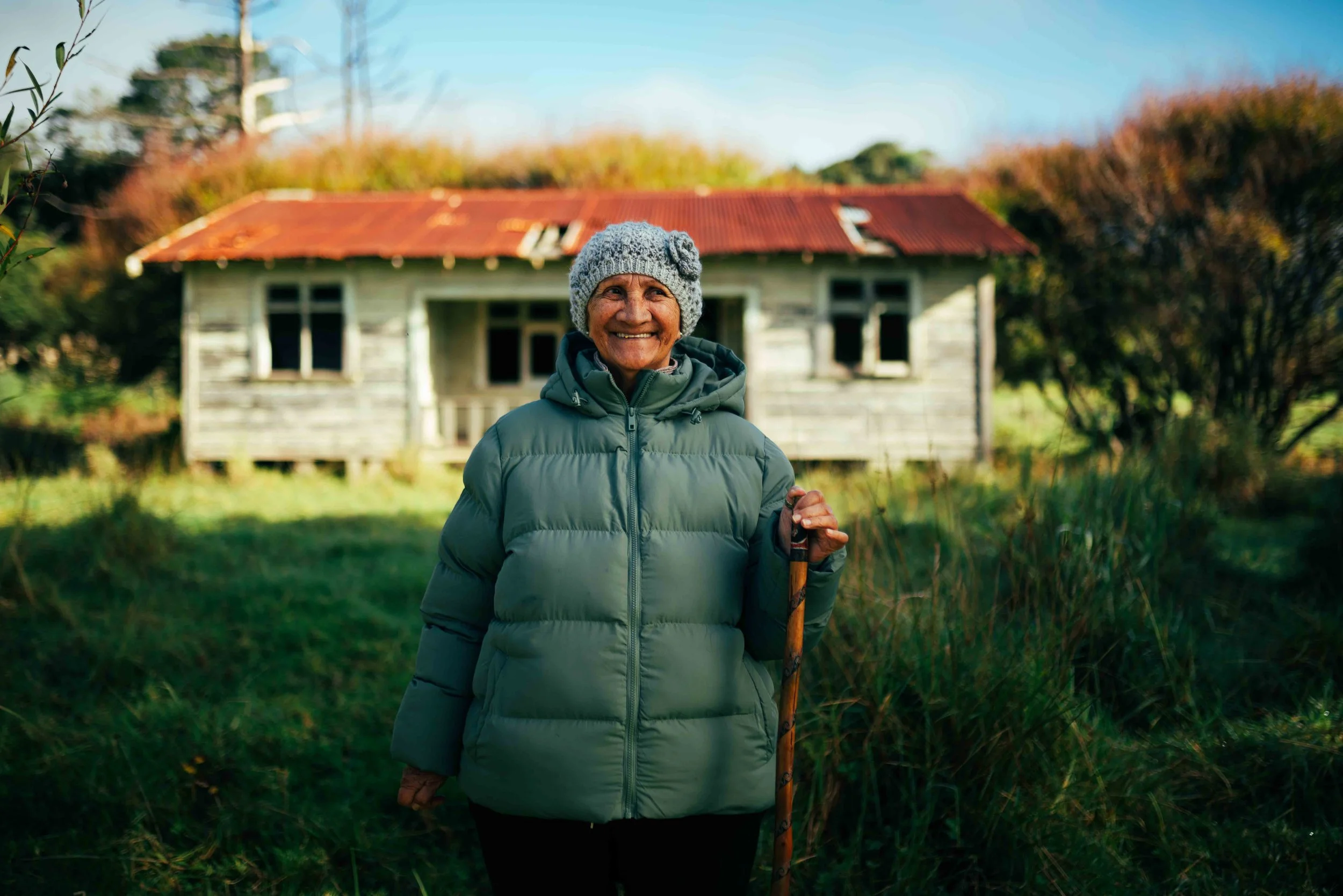
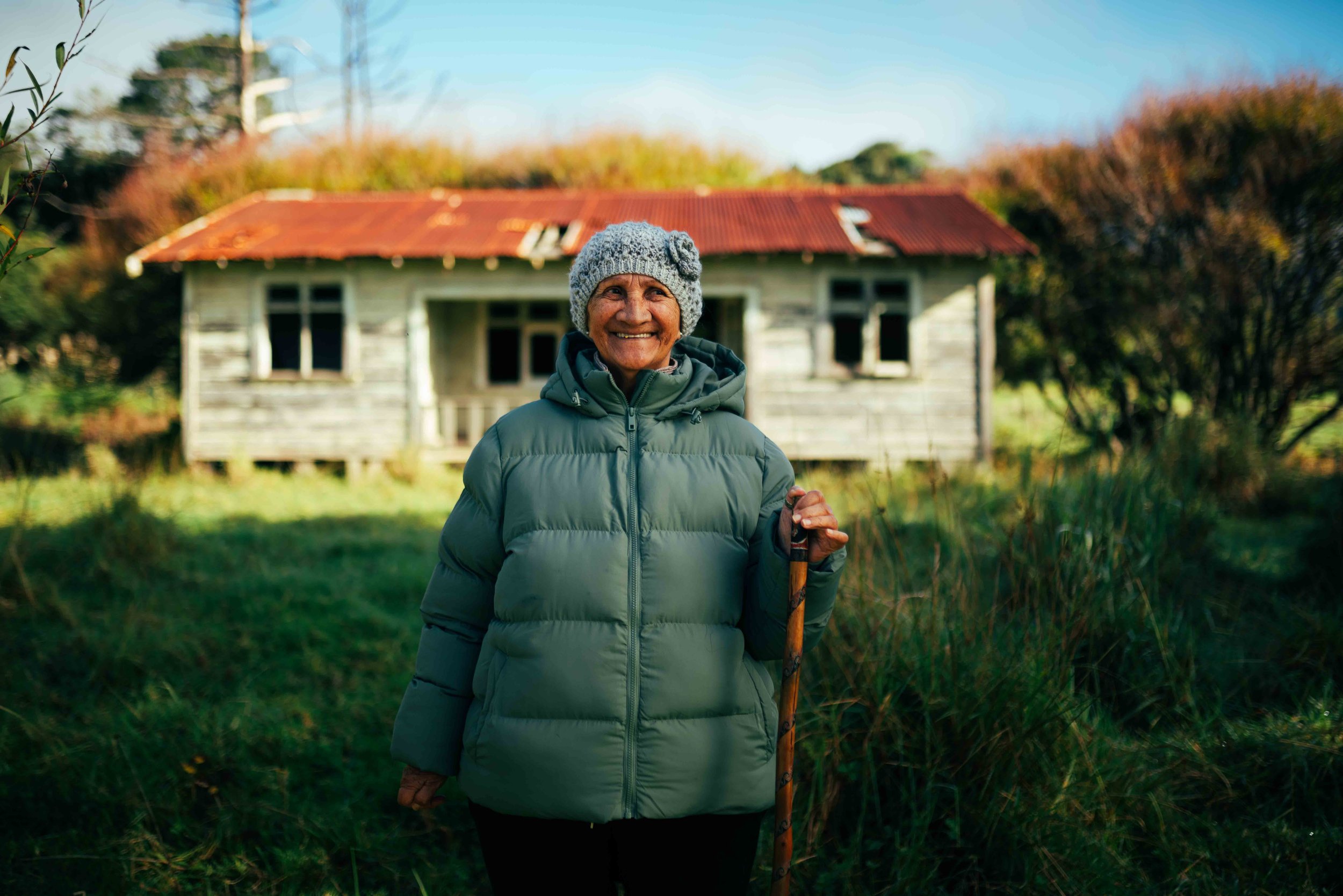
This episode looks at the homestead of Dame Whina Cooper in Panguru through the eyes of her daughter, Hinerangi Cooper Puru, who was raised in this home. Born in Hokianga, Whina was a prominent Māori figure best known for leading the 1975 Māori Land March, a 1000km journey from Te Hāpua in Northland to Wellington. Although her old homestead in Panguru is dilapidated and uninhabitable now, it’s an iconic house within the community with a rich history. This episode tells the story of Whinas early life, giving the audience an insight into what shaped her into the icon we know her to be today. This homestead is a relic of the past and a reminder of Whina who will long be remembered as a symbol of unity, resilience, and the fight for Māori rights.
Schuster Whānau Homestead
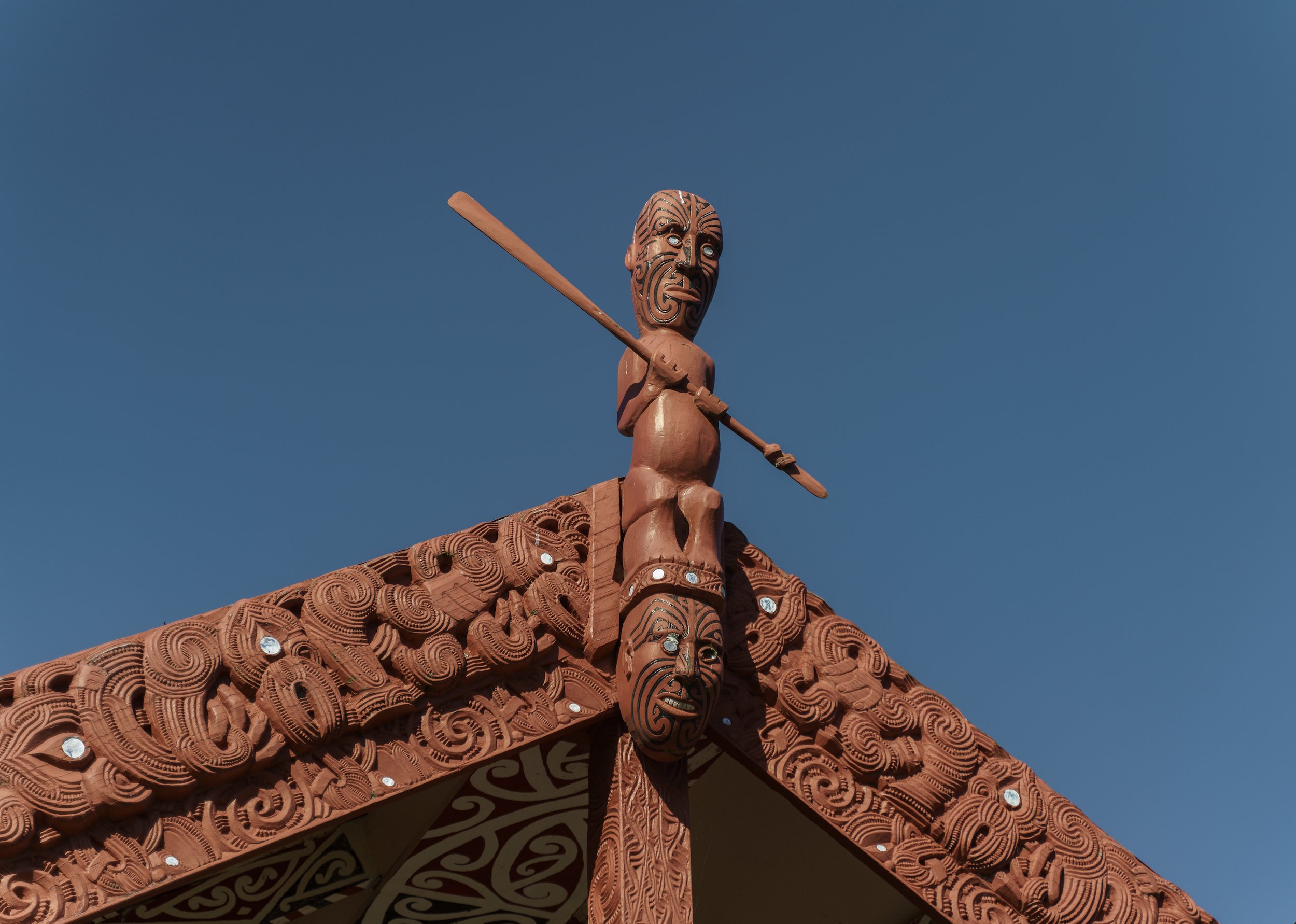
The Schuster family is known for their intergenerational expertise as weavers, carvers and tāmoko artists. Their homestead is in the middle of Rotorua but what many locals don’t realise is that they have a wharenui (meeting house) full of taonga (treasures) in their backyard. The wharenui “Hinemihi” was carved by their tipuna (ancestor) Tene Waitere, a replica of the original Hinemihi that protected their ancestors from the Tarawera eruption in 1886. This whare was also utilised later by the mokopuna (granddaughter) of Tene Waitere, Guide Rangi, who was a famous tour guide at the neighbouring Whakarewarewa Village, a popular tourist attraction. Guide Rangi would bring esteemed VIP guests to their whānau Homestead to give them a more intimate insight into the Māori culture. In this episode, the whanau share their history, their legacy and the teachings and skills they inherited from their ancestors. This family are firm believers in maintaining traditional artforms such as weaving and carving while also utilising new technologies to push their creativity to new heights.
Hetet Whānau Homestead
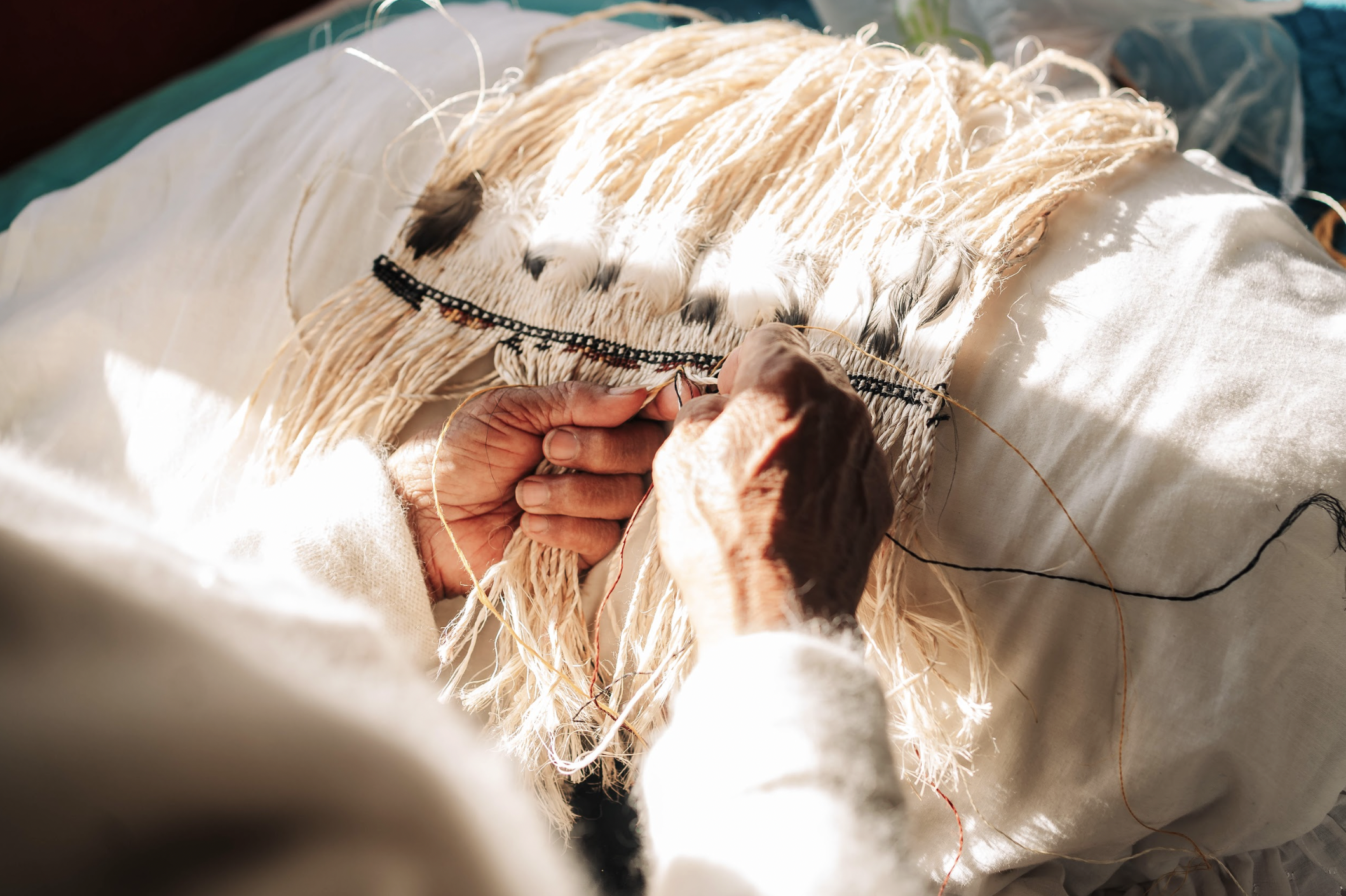
This episode focuses on the Hetet Homestead, home to famous weavers and cultural advocates Dame Rangimarie Hetet and her daughter Diggeress Te Kanawa. They were both celebrated for their mastery of traditional Māori weaving techniques and their work contributed to the preservation and revival of traditional Māori arts during a time when these practices were under threat due to colonization and modernization.
The homestead in Oparure, near Te Kuiti in the Waikato region, was not only the Hetet whānau home but also a hub of cultural preservation and education. This residence became a center for the practice and teaching of traditional weaving. The home symbolized a stronghold of Ngāti Maniapoto heritage and a space where weaving knowledge was passed down in its authentic form. It served as a bridge between generations, ensuring that the art form continued to thrive in modern times within their whānau.